How to paint a radiator
When the house is chilly, we’re all very glad of our central heating, but what if your radiators are a bit of an eyesore? Replacing them is one option, but if you’d like to save your budget to spend elsewhere, then we recommend a refresh instead.
With the right preparation, it’s a simple job which will give your radiator a brand-new look at very little expense.


Refresh your space with a painted wall arch
Check out our article on how to create painted wall arches and add a pop of colour to a blank wall.
Is painting a radiator a good idea?
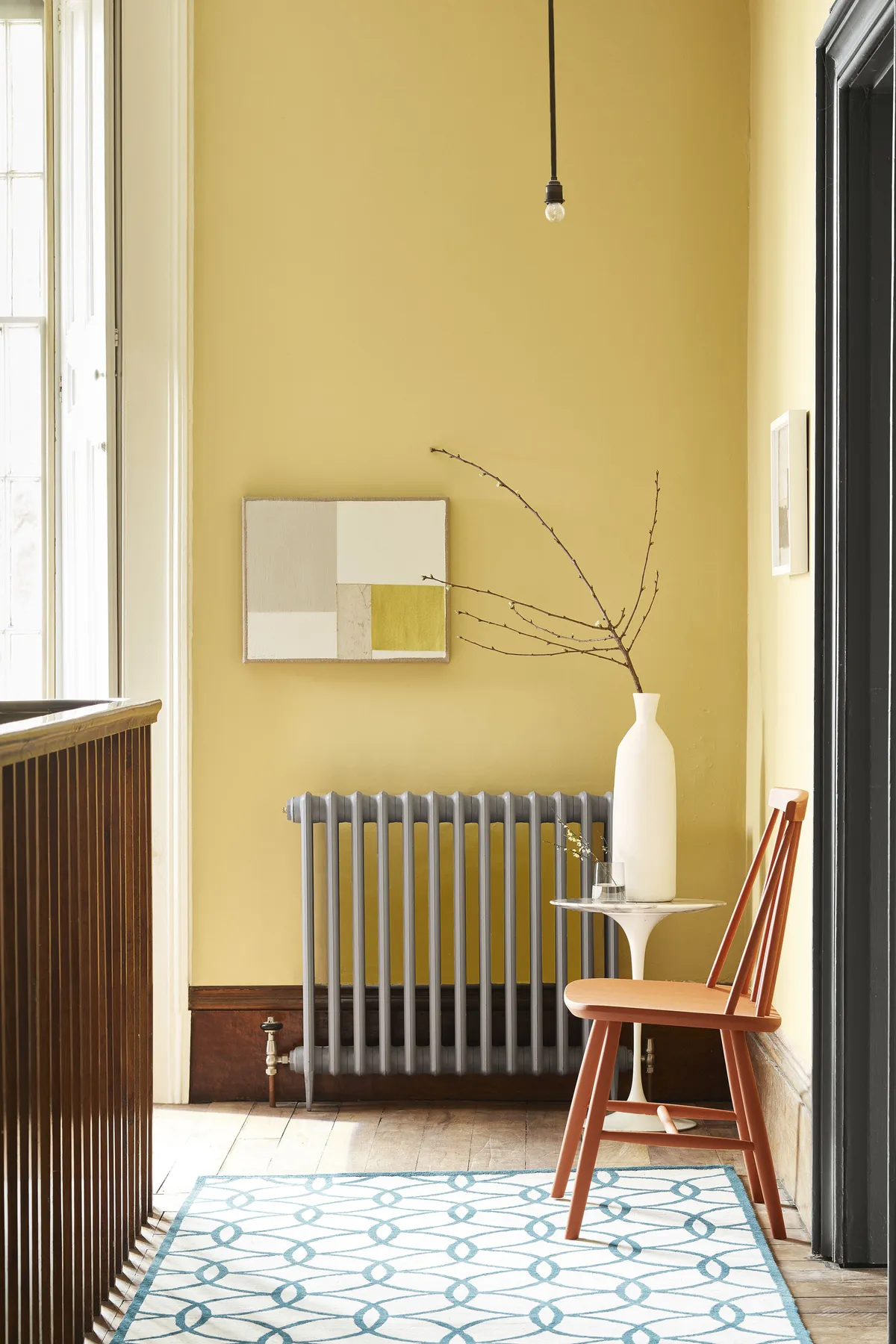
For a radiator that’s in an odd place or not very attractive, painting it the same colour as the wall will help it to blend in and give your wall a slick, modern look.
Alternatively, choosing a contrasting colour can highlight a good-looking radiator that’s just in need of a little TLC. Making a feature of your radiator is a quick and affordable way to add a pop of colour to a dark corner or give a plain wall a vibrant look.
What kind of paint do you use on a radiator?
It’s important to ensure that the paint you choose is suitable for use on radiators as this means it’s less likely to chip or peel, or release nasty chemicals when you turn your radiator back on.
Paints designed for use on wood or metal are generally suitable and your options include gloss, satin and eggshell. Some emulsions are suitable but check the can first.
You could also go for a specialist formula. Brewers has several options that makes painting your radiator easy and convenient, such as Blackfriars Quick Drying Radiator Paint, priced at £14.99 per 250ml.
This paint is tough, washable and non-yellowing, so you don't have to worry about your radiator quickly becoming stained.
Giving an attractive satin finish, the Blackfriars radiator paint is touch dry in one hour and recoatable after three.
Plus, you can use it on both water and oil radiators, and as it's a medium VOC paint, you won't experience a significant amount of fumes in your home.

Rustins Radiator Enamel Gloss is a hard-wearing paint that will give your radiators a stunning sheen, costing £16.99 for 500ML. It's low in VOCs, which means less odour or emissions – making it a fantastic, eco-friendly option.
Plus, this paint dries really quickly – being touch dry in just 30 minutes and ready to recoat after just four hours – and is scuff-resistant.

At £19.99 for 500ML, Hammerite Radiator Enamel promises a shiny finish that stands the test of time.
It's worth noting that this radiator paint is only suitable for indoor water radiators and hot water pipes, but it's durable, resistant to yellowing, and will keep your radiators looking bright white.

You’ll find some brands are also available as a spray for easy application: Prime Radiator Paint Gloss White Spray in Gloss White costs £14.99 for 400ml from B&Q.
Always check the label to see if the paint is suitable for use on metal and if a primer is needed.
How to paint a radiator
To paint a radiator, you will need:
- Wood/metal paint or radiator paint in your choice of colour
- Primer (optional)
- Fine grade sandpaper
- Paintbrushes
- Solvent or brush cleaner