
14 energy-saving myths EXPOSED: The habits you think save you money – but don’t (no 9 surprised us)
From simple everyday changes to the energy-saving myths that aren’t worth your time, here’s how to cut household energy use more effectively.
A big culprit here is linked to 'vampire energy' – this is the power used by appliances left plugged in on standby. While each device uses only a small amount individually, the total across a home can add up over time – especially from items like phone chargers, TVs, and game consoles. Unplugging or switching these off at the socket when not in use can help reduce wasted energy.
- TV DIY expert Nick Knowles shares his top tips to save you £££s!
- Mortgage-free and thriving: 3 real stories of financial freedom

Keep your fridge and freezer well stocked to help them run more efficiently – full appliances hold their temperature better than empty ones. You don’t need to buy extra food; simply fill spare space with bowls, water jugs, and ice trays so less cold air escapes when you open the door.
Are you considering leaving the heating or hot water tank on as a way of saving energy and money? If so, you may think it's cheaper to keep it running as opposed to turning it off and on again, but that's not the case. In fact, it's more efficient and cheaper to turn it on, as and when it's needed, and to shut it down when you've finished.
Electric space heaters are often assumed to be a cheaper way to heat a single room, but they can be expensive to run over time. In many homes, it’s usually more efficient to use central heating and focus it where it’s needed by turning down or switching off radiators in unused rooms.
Energy-saving myths:
Myth: Loft/ceiling insulation makes homes too cold in summer.
Reality: Good insulation helps steady indoor temperatures all year, keeping heat out in summer and in during winter.
Myth: Handwashing dishes is cheaper than using a dishwasher.
Reality: Modern dishwashers (especially on eco mode) are often more water- and energy-efficient than washing by hand.
Myth: Leave appliances running because restarting them uses more electricity.
Reality: Most modern appliances use very little extra power when switched back on, so don’t leave things on 'just in case'.
Myth: It’s cheaper to leave lights on than keep switching them off.
Reality: Turn lights off when you’re not using them; that almost always saves energy.
Myth: An empty freezer is more efficient than a full one.
Reality: A fuller freezer holds its temperature better and can run more efficiently; use ice packs or bottles of water to fill gaps.
Myth: Electric fans cool a room down.
Reality: Fans cool you, not the room; they just move air around, so switch them off when you leave.
Myth: Leaving the heating on low all day is cheaper.
Reality: In most homes, it wastes energy by heating rooms when nobody’s using them.
Myth: Turning the thermostat way up heats the room faster.
Reality: It doesn’t speed things up; it just makes the boiler run longer (and can overshoot the temperature).
Myth: Switching off radiators in every unused room always saves money.
Reality: Switch too many off and your system might run less efficiently; heat only the spaces you use, but keep the system balanced.
Myth: Using appliances at night always costs less.
Reality: That’s only true on certain time-of-use tariffs; check your tariff before changing when you run things.
Myth: Bigger appliances always use more energy.
Reality: Efficiency matters more than size; a newer, larger model can use less energy than an older, smaller one.
Myth: Putting hot food in the fridge straight away always wastes energy.
Reality: Let food cool a little first, but don’t leave it out too long; it won’t make a big difference to bills, and food safety matters.
Myth: Smart meters automatically reduce your bills.
Reality: They simply show what you’re using; the savings come from changing habits based on what you learn.
Myth: Solar panels only work in hot weather
Reality: They generate electricity from daylight, not heat, so they still work on cloudy (and cold) days.
Instead, try these:
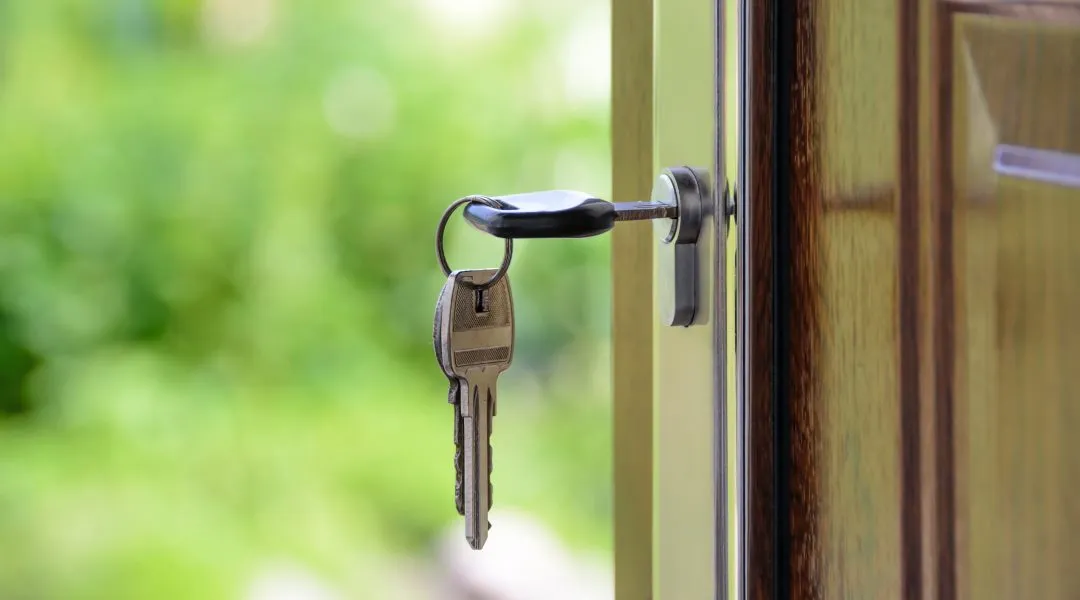
• You could save hundreds of pounds a year by plugging gaps in your home. This includes keyholes, letter boxes and chimneys if you have one. Just ensure you keep it well ventilated if it needs it!
• An electrical appliance left plugged into the wall uses valuable energy in what is known as 'vampire energy'. Phone chargers are a big culprit of this, more so than other devices such as laptops, tablets and bedside lights.
• When you're replacing appliances, look at the energy-efficiency ratings on what you're considering buying. It's easy to make up the difference by spending more and then saving money on energy in the long run.
• When using a tumble dryer, include a dry towel - it's great for absorbing excess damp and lets you use the appliance for less time.
• Having a full fridge and freezer will use less energy as it means you can regulate the temperature in a much easier way. Simply fill the appliance with bowls and jugs of water instead of purchasing additional goods for the sake of it.
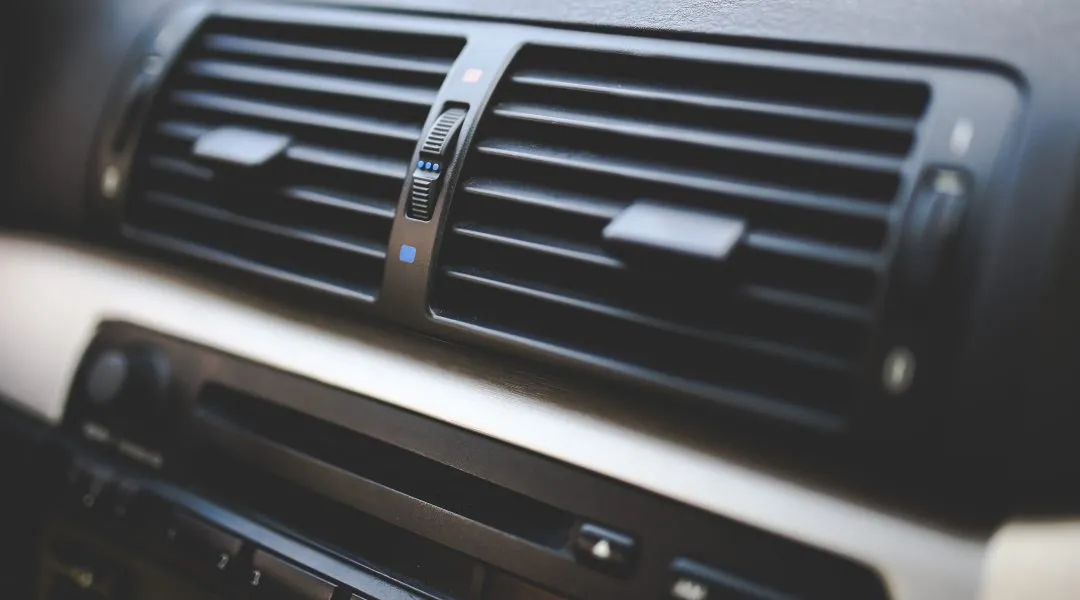
• Keeping the car cool is an interesting game; when you're driving at a slower speed, you're better off winding down the window, and turning to the air conditioning when you're topping 60pmh.
• The position of your thermostat can have a big impact on heating efficiency. If it’s placed near a heat source like a radiator or in direct sunlight, it may register the room as warmer than it really is, causing your heating to switch off too early. If it’s in a cold draught or near an external door, it may overwork your system. Ideally, it should be in a neutral, central location away from temperature extremes.
Saving energy at home ultimately comes down to understanding what genuinely makes a difference and ignoring habits and ‘quick fixes’ that don’t. By focussing on practical changes, such as using heating more efficiently, choosing appliances wisely, and reducing unnecessary standby power, you can cut waste without sacrificing comfort. Small, informed decisions add up over time, lowering both your energy use and bills in a way that actually holds up in real homes.
Read more:
